Custom OpenSceneGraph Software Development Consulting

osgearth-wide-banner

What is OpenSceneGraph and how can I use it?

OpenSceneGraph (OSG) is the most mature, well-supported and widely used OpenGL scenegraph in the world. Created and Open Sourced by Don Burns and Robert Osfield in the late 1990s, its flexible and friendly OSGPL (LGPL-derived with static linking permissiveness) has led to widespread adoption across many platforms and operating systems, including desktop, mobile, embedded, VR/AR/xR, even WebAssembly and Windows UWP (without OpenGL!).


OpenSceneGraph is written in C++ utilizing good Design Patterns and software architecture, and is very modular. It offers dozens of file format input libraries and capabilities in the base distribution, including terrain, text rendering, post-processing effects, instancing, multiple view management, Visual Simulation (Vis-Sim) features and operating system integration. Additional third-party add-ons (often called NodeKits) and integrations add support for hundreds of new features. OSG can be somewhat challenging to compile initially, but the breadth of out-of-the-box or easily-accessible capability, broad platform support and ease of getting initial results is very compelling.

Who uses OpenSceneGraph?

OpenSceneGraph is the heart of hundreds or thousands of commercial applications with 3D visualization capability, including probably ones you already use, unaware. From CAD to Visual Simulation, Biomedical, Geospatial and even Games, OpenSceneGraph is pervasive, and we’ve helped clients in every one of these industries adopt and maximize their benefit from OSG.

How do I make OpenSceneGraph faster?

Naive use of OSG using the legacy “Fixed Function Pipeline” capabilities of OpenGL 1.x that it still allows you to access, and sub-optimal architecture of the scene graph can result in less performance than available or desired. AlphaPixel has many years of experience in OSG scenegraph performance profiling, optimization and tuning and can often deliver performance gains multiple times over, sometimes even more than an order of magnitude by adopting shader functionality, Level of Detail, instancing and intelligent data and buffer management. The larger the dataset, typically the more potential for performance gains. If you need help speeding up an existing OpenSceneGraph application, contact us! We also wrote a Multiview extension that renders multiple views in parallel for headset stereo, part of our VR, AR, and xR work.

The authors of OpenSceneGraph, primarily Robert Osfield, are now developing the new VulkanSceneGraph (using Vulkan) as a successor to OpenSceneGraph. The lean and performant VSG adopts many modern code and design principles to be even faster than OpenSceneGraph, sometimes many times faster. If you are considering moving from OpenSceneGraph to VulkanSceneGraph, AlphaPixel can help you migrate your existing code or write from scratch.

How can AlphaPixel help me adopt and integrate osgEarth?

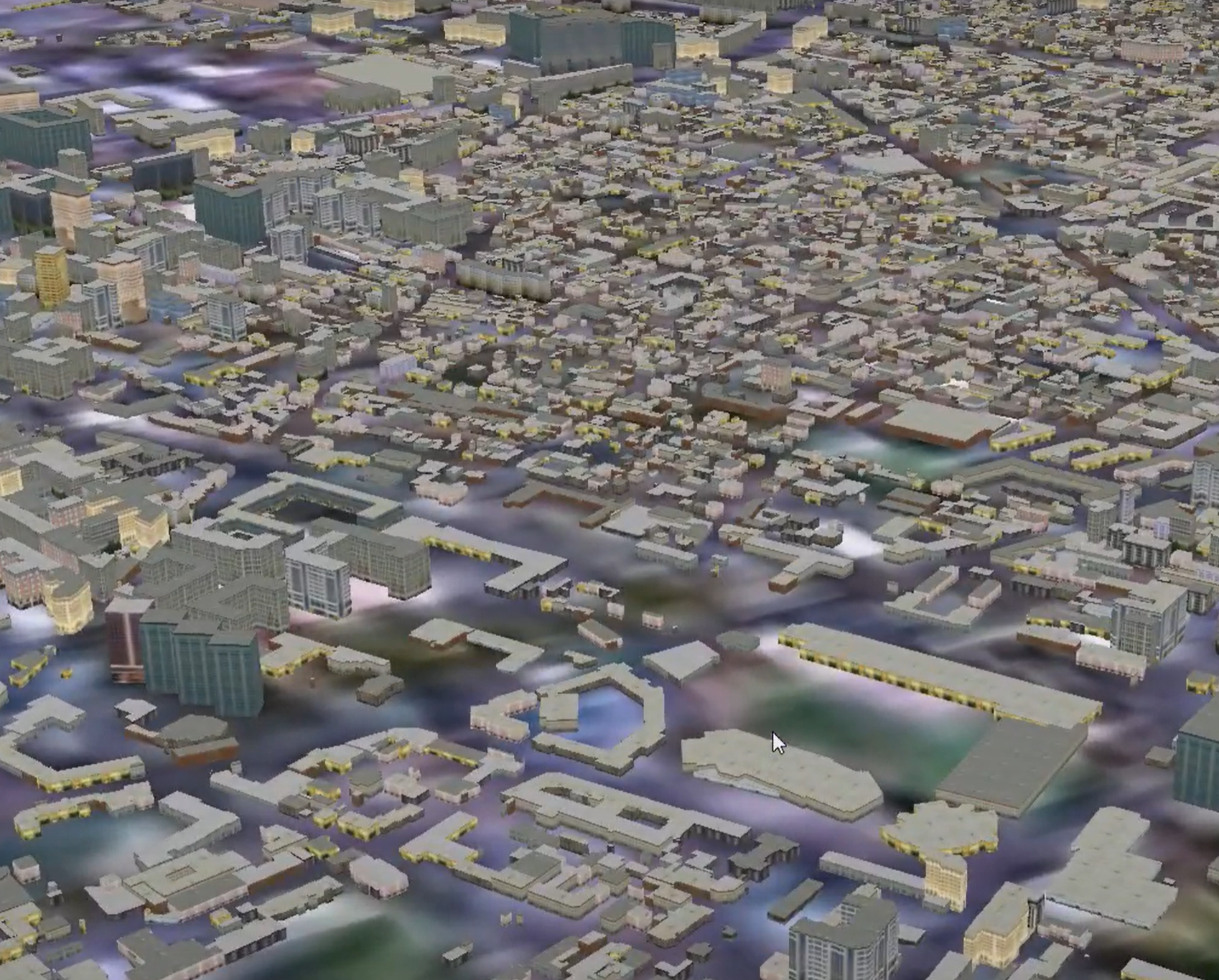
GIS buildings displayed in 3d
osgEarth 3D GIS Buildings

AlphaPixel Development has been using osgEarth since the very beginning, and also has experience with predecessors to osgEarth like osgGIS (also from Pelican Mapping) and Virtual Planet Builder (VPB). We’ve successfully ported earlier versions of osgEarth to Android, iOS and embedded OpenGL ES platforms. We have created entirely new osgEarth applications from scratch as well as integrating osgEarth functionality into our customers’ applications, even replacing existing non-osgEarth 3D Globe rendering code.

We are experienced in creating Python wrappers for osgEarth to allow scripting of osgEarth functionality from Python. We have worked with clients around the world to integrate osgEarth into their solutions, port osgEarth to new environments, develop new data loaders and displays, and entirely new capabilities.
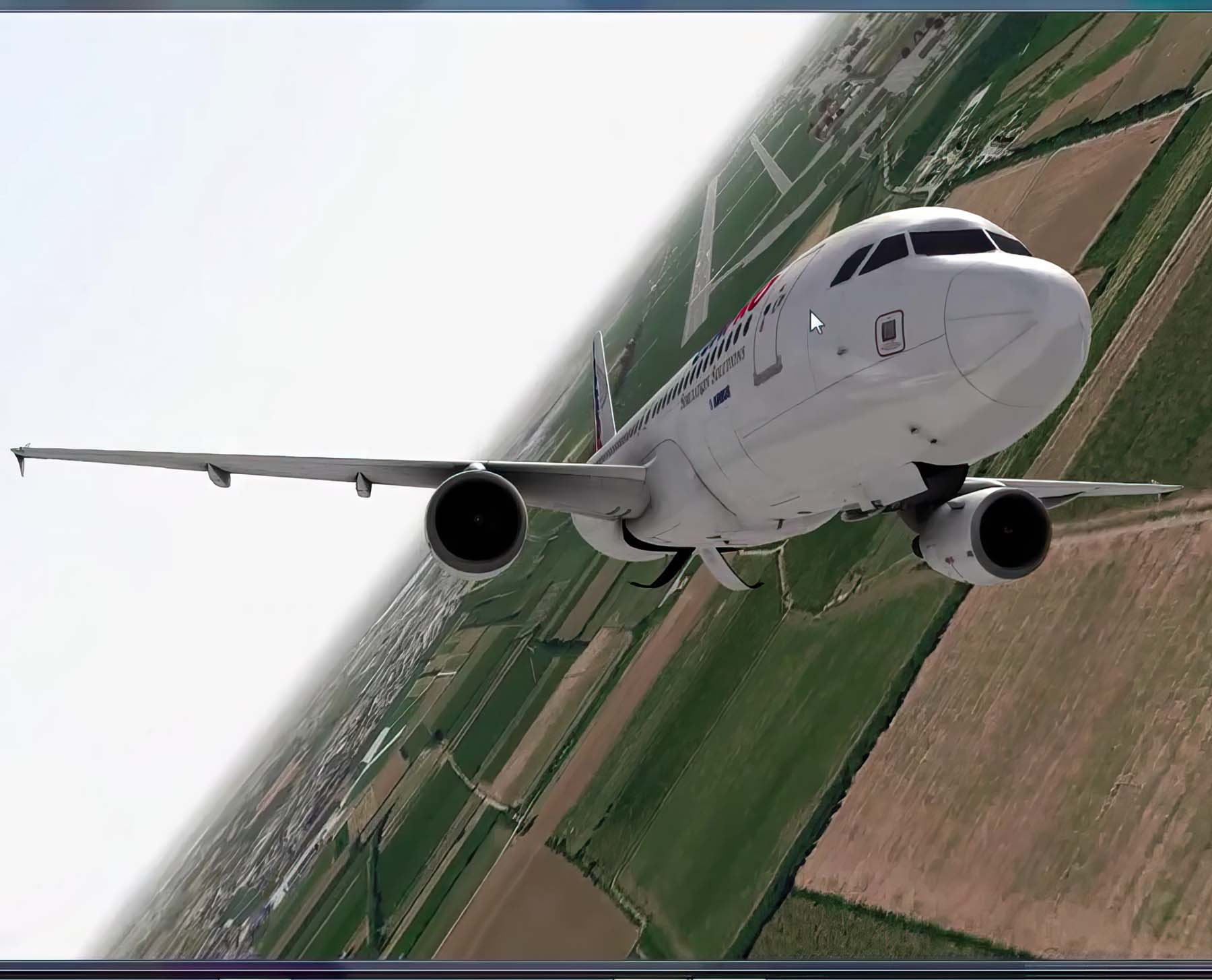
osgEarth OpenIG Flight simulation image of a two engine passenger jet banking after takeoff over European farmland
OpenIG Flight Simulation showing 3d terrain

We have a close relationship with Pelican Mapping, creators and maintainers of osgEarth and can rapidly develop fixes and improvements that are able to be accepted into the main public development release.

Pelican Mapping is now building Rocky, a Vulkan-based successor to osgEarth, and we follow and contribute to that work as the geospatial world moves to Vulkan.

Reach out to AlphaPixel today to see how we can help you with custom osgEarth Software Development.

We do osgEarth Software Development Consulting.

When you want to add or improve osgEarth support in your application, AlphaPixel is who you want to solve your difficult problems.

Frequently asked questions

Can you speed up my existing OpenSceneGraph application?

Yes, this is one of our most common jobs. We have many years of OpenSceneGraph performance profiling, optimization, and tuning, and often deliver gains of multiple times, sometimes more than an order of magnitude, by adopting shaders, level of detail, instancing, and smarter data and buffer management. The larger the dataset, the more room there usually is.

Do you fix or modernize old OpenSceneGraph codebases that no longer build?

Yes. We rescue and modernize OpenSceneGraph applications that stopped compiling when a compiler, dependency, or platform moved on, and bring them up to a current, maintainable build.

Do you port OpenSceneGraph to new platforms?

Yes. We have taken OpenSceneGraph and osgEarth to mobile and embedded OpenGL ES, and OpenSceneGraph reaches desktop, mobile, embedded, VR/AR/xR, and even WebAssembly and Windows UWP without OpenGL.

Can you add features, NodeKits, or file-format support to OpenSceneGraph?

Yes. We build new capability into OpenSceneGraph, from custom NodeKits and data loaders to new displays and integrations, and we can integrate OpenSceneGraph into an existing application rather than starting over.

How experienced are you with OpenSceneGraph?

We have used OpenSceneGraph since its early years and are among the most experienced OpenSceneGraph developers active today. We have collaborated directly with co-creator Robert Osfield, including work that made OpenSceneGraph itself significantly faster in specific situations.

Should we stay on OpenSceneGraph or move to VulkanSceneGraph?

It depends on your platforms, performance needs, and NodeKit dependencies. If you need Vulkan's performance or are targeting platforms retiring OpenGL, a migration may be right; if your app is stable and does not need it, a modernized OpenSceneGraph build is often the better call. We do both and lay out the tradeoffs on our OpenSceneGraph to VulkanSceneGraph migration page.

Do you take defense or closed-source OpenSceneGraph work?

Yes. AlphaPixel is a US-owned small business, DLA DD2345 and ITAR registered, and OpenSceneGraph's permissive license makes it straightforward to use inside proprietary, closed-source software.

How do we engage AlphaPixel for OpenSceneGraph work?

As a subcontractor, a team-augmentation partner, or the hired specialists for one hard piece. Contact us with the application, the platform, and what you need it to do, and we will scope it.

Scroll to top

connect

Have a difficult problem that needs solving? Talk to us! Fill out the information below and we'll call you as soon as possible.

Diagram of satellite communications around the Earth
Skip to content